Abstract Sequence Texture Background SVG: A Graphics & Patterns Review
As a digital product creator who has spent years navigating the competitive waters of Etsy, Creative Fabrica, and print-on-demand platforms, I know that the difference between a listing that gathers dust and one that generates sales often comes down to the quality of the graphic design asset you choose. Today, I am evaluating the Abstract Sequence Texture Background, a file that promises versatility for scrapbooks, paper crafts, invitations, postcards, blog backgrounds, and various digital graphic designs. Before I commit to using this in my next seasonal collection, I need to determine if it truly delivers value for commercial use.
First Impressions: Mood and Market Fit
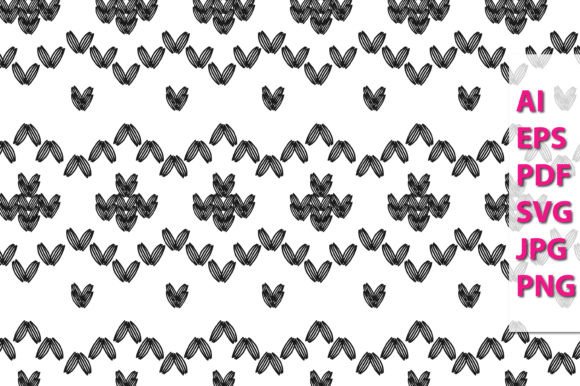
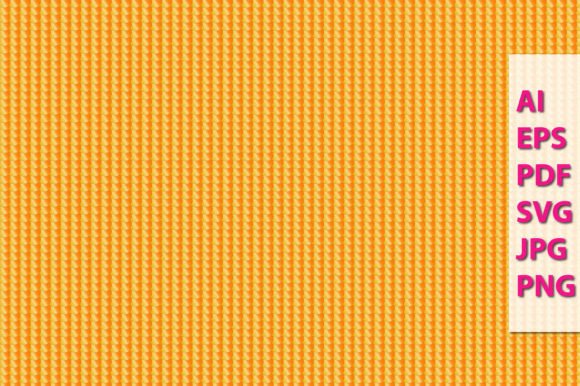
The moment I opened the file, the visual personality of the Abstract Sequence Texture Background struck me as modern yet approachable. In a sea of generic floral patterns or rigid geometric grids, this asset offers a unique texture that feels organic without being messy. The mood is sophisticated but not overly formal, making it a strong candidate for buyers looking for a premium aesthetic without the clutter.
This design appeals to a specific niche: the creative entrepreneur who wants their products to look polished and professional. It fits perfectly into categories requiring a sense of movement and depth. Whether you are targeting the scrapbooking community, the wedding invitation market, or the corporate blog space, this asset provides a backdrop that elevates the primary content rather than competing with it. It strikes a balance between playful and elegant, which is a rare find in standard Patterns collections.
Real-World Application: From Design to Revenue
Imagine you are preparing a new product line for your online shop. You have the concept, but you lack the cohesive visual elements to tie everything together. This is where the Item name Abstract Sequence Texture Background becomes a strategic tool. I tested this asset across several potential product scenarios to see how it holds up under real-world pressure.
- SVG Products and Cricut Projects: For users creating physical goods, the cut lines are crucial. When imported into design software, the sequence held its integrity, allowing for clean cuts on vinyl for tumblers, tote bags, and t-shirts. It works exceptionally well as a base layer for layered designs, adding texture to simple shapes.
- Printable Wall Art and Planners: As a background for printable wall art, the texture adds a tactile feel to digital files. It transforms a flat image into something that looks like high-quality stationery. Similarly, for planner stickers and journaling cards, it provides a subtle visual anchor that keeps the layout from feeling too stark.
- Digital Paper Packs and Scrapbooking Kits: If you are selling digital scrapbooking kits, this asset is a must-have. It pairs beautifully with other elements, serving as a versatile page cover or a divider within a layout. It supports the narrative of "handmade" even when the product is entirely digital.
- Canva Templates and Social Media Graphics: For bloggers and small business owners, consistency is key. Using this texture in Instagram story templates or blog headers creates immediate brand recognition. It acts as a unifying element across different social media graphics, ensuring your audience knows exactly whose content they are viewing.
Strategic Product Presentation
In the world of commercial design, how your product looks in a thumbnail can be just as important as the product itself. The Abstract Sequence Texture Background has excellent potential for enhancing product mockups. Because of its textured nature, it reads well even at smaller sizes, unlike some intricate illustrations that blur into a mess.
When designing listing images for Etsy product pages, using this background allows you to create a sense of hierarchy. You can place bold text or focal point images over the texture to draw the eye immediately. This increases click-through rates by making the listing appear more dynamic and professionally curated. Furthermore, it helps build customer trust; a listing with a cohesive, high-quality background suggests that the seller cares about details, which often translates to higher perceived value.
Where to Use It (And Where to Pause)
While this asset is robust, no single design asset is a silver bullet. To maximize its utility, you must understand its limitations. The Abstract Sequence Texture Background shines best in large product previews, themed bundles, and decorative layouts where it can breathe. It is ideal for print-on-demand items where the design covers a significant surface area, such as mugs, phone cases, or large-format prints.
However, there are scenarios where caution is required. If you are creating tiny sticker details or intricate die-cut shapes, the complexity of the sequence might make the cutting process difficult for hobbyists using machines like Silhouette or Cricut. In these cases, the fine details could get lost or cause cutting errors. Additionally, if your project involves heavy text overlays, ensure the contrast remains high. On dark backgrounds, the texture might lose definition, so always test your visual hierarchy before publishing.
For low-resolution print products, verify the file resolution first. While vector formats scale well, the rasterized preview needs to be crisp enough to justify a premium price point. If the texture appears pixelated in your final mockup, it will detract from the professionalism of your brand identity.
Practical Seller Notes for Testing
Before you upload this to your store, run through this practical checklist to ensure the asset integrates smoothly into your workflow:
- Test on Real Mockups: Don't just look at the flat file. Place the design on a realistic mug, t-shirt, or book cover mockup. Does it look like a finished product?
- Check Contrast and Color: Preview the design on both white and dark backgrounds. Ensure it maintains its visual impact regardless of the canvas color.
- Verify Transparency: If you are providing PNG versions, confirm that the transparency is clean and free of halos or jagged edges.
- Inspect Cut Quality: For SVG design users, open the file in your cutting software. Check that all paths are closed and ready for cutting without needing manual repair.
- Organize Files Clearly: Your customers appreciate organization. Group your layers logically and include a readme file explaining how to use the digital download.
- Pair with Typography: Experiment with different font styles. This texture pairs well with serif fonts for an editorial look, sans-serif fonts for a modern vibe, and script fonts for a touch of elegance. Avoid pairing it with overly busy display fonts that compete for attention.
- Confirm Licensing: Always double-check the commercial license terms. Ensure you are permitted to sell finished products created with this asset, whether for small business branding or direct resale.
Final Verdict for Digital Sellers
The Abstract Sequence Texture Background is more than just a pretty picture; it is a functional tool for building a profitable online shop. It addresses the common pain point of finding backgrounds that are interesting enough to stand out but subtle enough to support the main message. By integrating this asset into your design bundle or standalone listings, you can offer a more cohesive and professional experience to your buyers.
Whether you are crafting a sublimation design for a custom apparel shop, creating a digital paper pack for crafters, or designing a Canva template for entrepreneurs, this asset offers the flexibility needed to succeed in today's creative marketplace. It proves that sometimes, the most valuable part of a design isn't the foreground subject, but the texture that makes the whole thing come together.