Blue Plaid Patterns: A Designer's Review of These Graphics
As someone who has spent years turning digital files into physical treasures for my Etsy shop and local craft fairs, I know that the success of a handmade collection often comes down to one critical factor: the quality of the graphic design asset you choose. Recently, I came across a set titled Blue Plaid Patterns, and I decided to put it through the same rigorous testing process I use before accepting any customer order. This review is not just about how the file looks on a screen; it is about how it performs in real-world crafting scenarios involving Cricut machines, Silhouette cutters, sublimation printers, and everyday DIY projects.
First Impressions: The Mood of Blue Plaid
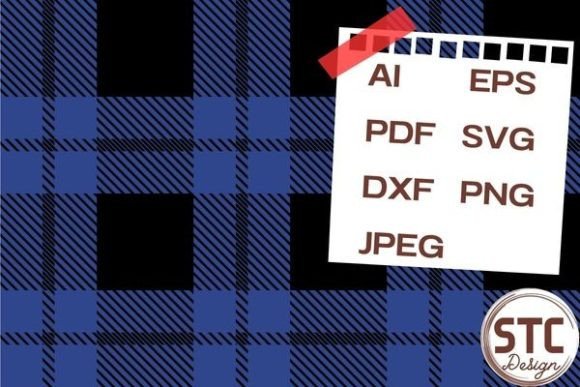
The moment I opened the folder containing these graphics, I felt an immediate sense of cozy elegance. Unlike the chaotic or overly bright patterns that dominate some marketplaces, Blue Plaid Patterns exudes a calm, structured vibe. It feels like a crisp autumn morning or a well-organized workspace. The color palette leans towards classic navy and lighter sky blues, creating a look that is both rustic and refined. For a small business owner looking to build a brand identity, this asset suggests reliability and tradition. It is perfect for attracting customers who appreciate timeless designs rather than fleeting trends. Whether you are designing for a boutique clothing line or a seasonal gift collection, this pattern sets a tone that is welcoming yet professional.
Real-World Crafting Applications
I immediately started brainstorming where this Silhouette project or Cricut project could shine in my own workflow. The versatility of Blue Plaid Patterns is impressive. I envision using these as backgrounds for printable planner pages, adding a touch of structure to daily schedules. For tumbler wraps, the high contrast works beautifully with sublimation ink, allowing the blue tones to pop against stainless steel surfaces. I also see great potential for sticker design; the clean lines make it ideal for die-cut vinyl stickers that will be applied to laptops or water bottles.
When thinking about larger items, the pattern scales up perfectly for fabric printing or large format posters. Imagine a tote bag featuring this design paired with a simple script font—it would make a fantastic gift item for a wedding or baby shower. The asset is equally suited for mug design, where the plaid acts as a border or a full-wrap background. Even for home decor enthusiasts, these graphics could serve as wallpaper for digital journals or actual printed wall art. The description mentions suitability for key chains and binders, which aligns perfectly with my experience selling personalized stationery at craft fairs.
Where This Asset Shines Best
In my experience, certain design elements perform better in specific contexts. Blue Plaid Patterns excels when used as a base layer for larger products. It provides a rich texture without overwhelming the eye, making it excellent for print-on-demand apparel where the design needs to cover significant surface area. For small business branding, these graphics are invaluable. They can be used on packaging inserts, thank-you cards, and social media banners to create a cohesive visual identity. The pattern works particularly well in seasonal bundles, such as holiday collections or back-to-school promotions, where a structured aesthetic is desired. If you are creating a design bundle for other creators, this asset adds a premium feel to your offering.
Potential Pitfalls and Technical Checks
However, no single asset is perfect for every situation. While Blue Plaid Patterns is robust, there are areas where a crafter must exercise caution. If you plan to create very small cutting details, such as tiny tags or micro-stickers, the complexity of the plaid weave might become muddy. Thin lines within the pattern can sometimes get lost during the cutting process if the material is too thick or the blade pressure is incorrect. Similarly, for layered vinyl projects, ensure that the different shades of blue provide enough contrast to separate distinct layers effectively.
Another critical consideration is resolution. Before committing to a sublimation design run, always check the PNG resolution. If the image is too low, the print will appear pixelated on mugs or tumblers. I also recommend testing the colors on both white and dark products. Some blues may shift slightly depending on the substrate, so a quick test print is essential to avoid customer returns. Additionally, if you are using this for digital product creation, verify that the SVG lines are clean and ungrouped in a way that allows for easy editing. Sometimes, complex patterns come pre-grouped, which can make resizing difficult without losing quality.
Practical Tips for Handmade Sellers
To get the most out of this graphic design asset, I suggest following a few practical steps. First, preview the PNG transparency to ensure the background is truly clear before placing it on a mockup. Second, experiment with font pairings. A serif font complements the traditional nature of the plaid, while a sans-serif font offers a modern twist. You might even try a handwritten font to add a personal touch to greeting cards or gift tags.
Always confirm the commercial license before using these assets for customer orders. Most marketplaces require proof that you have the right to sell finished goods made from the design. Once verified, place the design on real mockups to see how it translates from screen to reality. If the layout feels too crowded, consider simplifying it by removing some of the intersecting lines or scaling the pattern down to focus on a specific section. This technique can turn a busy background into a subtle accent that highlights your main text or logo.
Final Thoughts for the Creative Entrepreneur
In conclusion, Blue Plaid Patterns is a versatile and high-quality addition to any crafter's library. It bridges the gap between digital aesthetics and physical craftsmanship, offering endless possibilities for Etsy products, craft fair displays, and personal DIY projects. Whether you are a seasoned designer or a hobby maker just starting out, this asset provides the foundation for creating beautiful, functional items. By understanding its strengths and respecting its technical limitations, you can leverage these graphics to elevate your handmade business and delight your customers with professional-looking results.