Christmas Tree Design: Essential Graphics for Illustrations
As a digital publisher who has spent years refining blog layouts and managing content strategies, I know that the difference between a casual website and a professional brand often comes down to one thing: visual quality. When I first encountered Christmas Tree Design, I immediately recognized its potential as a high-value graphic design asset for serious content creators. This isn't just a decorative image; it is a strategic tool for editorial design that can elevate your entire publishing workflow.
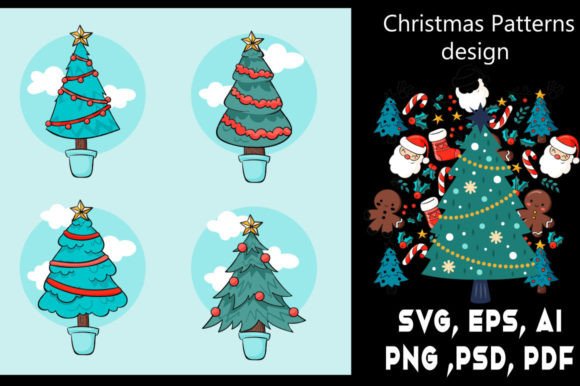
The product description mentions "PRO Quality" and notes how varied patterns based on this festivity look awesome. In my experience, that promise of quality translates directly to reader trust. When visitors land on your site or click through from Pinterest, they subconsciously judge your credibility within milliseconds. A polished, cohesive visual system signals authority, while generic clipart suggests amateurism. Christmas Tree Design strikes a perfect balance between festive charm and modern elegance, making it suitable for everything from lifestyle blogs to educational newsletters.
Setting the Editorial Mood for Seasonal Content
The first impression of Christmas Tree Design is one of warmth and structured creativity. It creates an editorial mood that feels both inviting and professional. Unlike overly chaotic holiday graphics, this asset maintains a clean aesthetic that supports readability without distracting from your message. Whether you are running a niche focused on family traditions, gift guides, or seasonal productivity, this design naturally aligns with a lifestyle-focused yet organized brand identity.
For publishers looking to strengthen their brand identity, this asset offers a versatile foundation. It avoids the trap of being too childish or too corporate, landing instead in a sweet spot that appeals to a broad audience. The pattern elements allow for subtle background textures or bold focal points, giving you control over the visual hierarchy of your pages. When readers encounter a consistent, high-quality visual theme, they are more likely to stay longer, explore deeper, and return for future content.
Integrating Graphics into Your Publishing Workflow
In a real-world publishing scenario, efficiency is key. Imagine you are preparing a week's worth of content for your affiliate blog. You need featured images for your top ten holiday gifts, a banner for your newsletter, and several social media posts to drive traffic. Instead of sourcing disparate images that clash in style, Christmas Tree Design provides a unified library of design assets that streamline this process.
This asset excels as a component for Pinterest pins. Because Pinterest is a visual search engine, the clarity and appeal of your thumbnail determine your click-through rate. The intricate details of this tree design stand out against standard feeds, drawing the eye to your link. Furthermore, it serves as an excellent base for creating digital guides or lead magnets. If you offer a free holiday checklist or a winter planning worksheet, using this design for the cover page instantly elevates the perceived value of your downloadable resource.
For newsletter creators, the versatility extends to header graphics and email signatures. A well-designed newsletter graphic increases open rates by signaling that the content inside is curated and valuable. Similarly, if you are building a media kit for sponsors, incorporating Christmas Tree Design demonstrates your ability to execute professional commercial design projects. It shows brands that you understand how to create cohesive creative design across multiple touchpoints.
Enhancing Website Presentation and Navigation
Beyond single images, this asset can transform your website's structural elements. Consider using it for category thumbnails or section dividers. When a user navigates to your "Holiday Recipes" or "Gift Ideas" section, a custom website header featuring this design creates immediate context. It acts as a visual anchor, helping readers recognize where they are within your content ecosystem.
For those utilizing Canva templates, this graphic integrates seamlessly to help small business owners maintain a consistent look. You can layer text over the pattern or use the negative space effectively to ensure headlines remain legible. This adaptability is crucial for content marketing strategies where speed and consistency are paramount. By having a reliable set of graphics ready to go, you reduce the friction of content creation and focus more on writing compelling copy.
Strategic Placement for Maximum Impact
To get the most out of Christmas Tree Design, placement matters. It shines brightest when used as a hero image for major seasonal campaigns or as a backdrop for article headers. The rich texture adds depth to flat web pages, breaking up blocks of text and keeping the reader engaged. For social media previews, the design ensures your links look polished when shared on Facebook, LinkedIn, or Twitter.
It is also ideal for affiliate content visuals. When promoting products during the holidays, your visuals need to scream "seasonal sale" without looking spammy. This design provides that festive cue while maintaining a level of sophistication that builds confidence in the products you recommend. Whether you are designing a digital download cover or a promotional ad, the asset supports a narrative of quality and care.
When to Exercise Caution
While powerful, no single asset fits every scenario. There are specific contexts where Christmas Tree Design might require careful handling. For instance, if you are operating in a highly technical or corporate niche, a festive tree pattern might feel out of place unless used very sparingly as a subtle accent. Additionally, on mobile devices, complex patterns can sometimes compete with small text, reducing readability.
You should avoid using this design on low-contrast backgrounds or in busy layouts where the visual noise becomes overwhelming. If your website relies on a strictly minimal visual system, a detailed illustration might disrupt the flow. Always test the asset in black and white to ensure it retains its structure without color, which helps in assessing its suitability for print versions of your content or accessibility compliance.
Practical Publisher Notes for Implementation
Before integrating this asset into your live site, I recommend a rigorous testing phase. Check how the image renders on desktop monitors versus mobile screens. Does the detail hold up at smaller resolutions? Preview it inside a real blog layout to see how it interacts with your existing typography. Try placing it beside serif fonts for a classic look, sans-serif fonts for a modern feel, or script fonts for a personal touch.
Technical performance is equally important. Review the file size to ensure it does not slow down your page load times. Compress images properly using tools like TinyPNG before uploading them to your CMS. Fast loading speeds are critical for SEO and user retention. Finally, confirm that you have the correct commercial license for your intended use. If you are monetizing your website, running ads, or selling paid courses, ensure the license covers commercial use on affiliate pages and paid content products.
By treating Christmas Tree Design as a core component of your editorial design strategy rather than just a decoration, you unlock its full potential. It bridges the gap between creative expression and functional publishing, helping you build a digital presence that is not only beautiful but also effective. Whether you are a blogger, a designer, or a creative entrepreneur, this asset provides the polish needed to make your content stand out in a crowded digital landscape.