Geometric Multicolored Seamless Patterns: A Designer's Review
When I first opened the Geometric Multicolored Seamless Patterns file, I didn't just see a collection of shapes; I saw potential. As someone who spends their days stitching custom apparel and testing designs for boutique clients, my first instinct is to ask one question: will this hold up under the needle? The answer is a resounding yes, provided you understand how to translate digital graphics into tangible thread. This isn't just another generic Patterns category item; it is a versatile Graphics asset that bridges the gap between modern digital aesthetics and traditional craft.
The First Stitch: Visual Impact and Mood
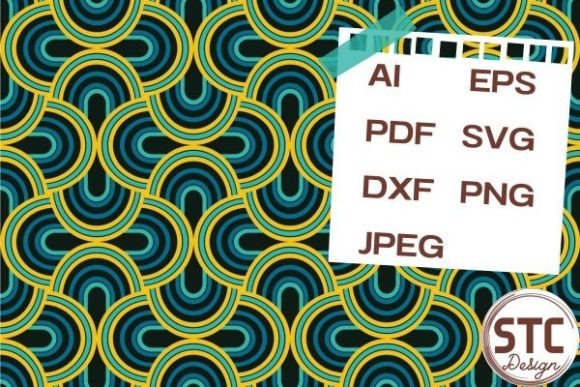
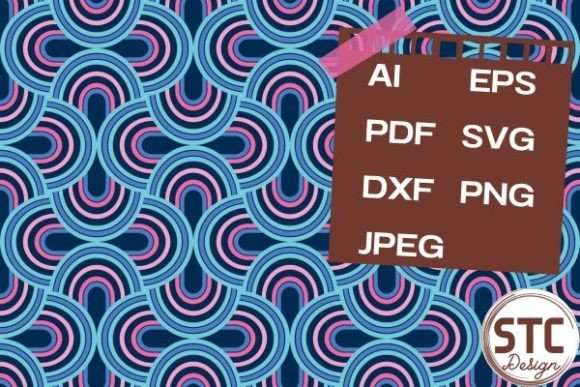
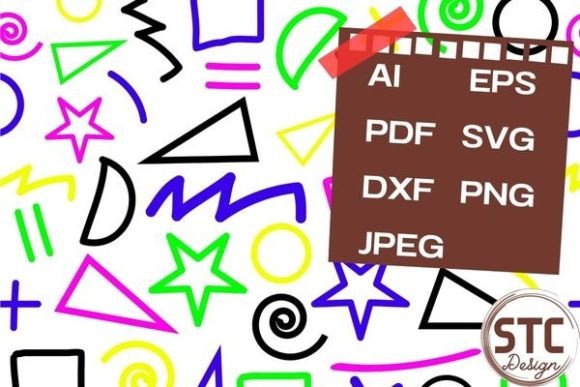
The immediate impression of Geometric Multicolored Seamless Patterns is one of structured energy. Unlike organic floral motifs that can sometimes feel too soft for certain branding, these geometric forms offer a bold, confident personality. The multicolor palette suggests vibrancy without overwhelming the eye, making it an ideal choice for projects where you want the design to stand out but not scream. When I visualize this on a finished product, I see clean lines and a rhythmic flow that works beautifully in both dense fill areas and delicate running stitch outlines.
For the creative entrepreneur or Etsy seller, this design offers a unique selling point. It feels contemporary enough for a tech-savvy audience yet retains the warmth of handmade goods. Whether you are creating a set of matching kitchen towels or a line of tote bags, the seamless nature of the pattern allows for endless repetition without jarring breaks. It creates a sense of continuity that elevates the perceived value of your handmade product.
Real-World Application: From Screen to Stitch
I recently put Geometric Multicolored Seamless Patterns to the test while preparing a custom order for a local coffee shop owner who wanted branded aprons for her staff. She requested something that wasn't the typical cliché coffee bean or cup icon. The geometric design was the perfect solution. We selected a mid-tone canvas fabric and chose thread colors that mirrored the design's primary hues. The result was stunning.
The way the design translates from a screen to a physical object is crucial. In this scenario, the pattern worked as a background texture rather than a central focal point. By using a lighter thread color for the fill stitches and a darker shade for the satin stitch borders, we created depth. The customer loved the professional look, noting that it felt more like a high-end textile print than a simple embroidered logo. This kind of versatility is exactly what makes this design a valuable asset for small business merchandise.
Imagine applying this same logic to other items. On a sweatshirt, the pattern could run along the hem or sleeve cuff, adding a subtle pop of color. For baby clothes, the soft geometry is gentle and engaging, perfect for a nursery wall hanging or a personalized bib. Even for digital products, having a high-quality embroidery file like this allows you to create realistic printable mockups that help sell the concept before a single stitch is made.
Where This Design Shines
- Custom Apparel: Perfect for t-shirts, hoodies, and denim jackets where a large surface area allows the pattern to breathe.
- Home Decor: Ideal for pillow covers, tablecloths, and curtains where the seamless aspect creates a cohesive look.
- Accessories: Works wonderfully on tote bags, key chains, and journal covers, adding a designer touch to everyday items.
- Commercial Projects: Great for corporate gifts, event swag, or boutique branding materials that need a polished appearance.
Navigating Challenges: What to Watch Out For
While Geometric Multicolored Seamless Patterns is robust, no design is without its challenges. My experience teaches me that success lies in knowing where not to use it. For instance, if you are working with a very small hoop size, such as those used for caps or hat patches, the intricate details of the geometric shapes might get lost or merge together during stitching. In these cases, simplifying the design or scaling it down significantly is necessary to maintain clarity.
Texture is another factor. If you are embroidering on a heavily textured fabric like a thick wool blanket or a loose-weave burlap, the precision of the geometric lines may suffer. The needle can struggle to penetrate dense fabrics cleanly, leading to puckering or misaligned stitches. Similarly, stretchy fabrics require careful stabilizer selection. Without a heavy-duty cut-away stabilizer, the tension of the satin stitch or fill stitch could distort the fabric, ruining the crispness of the pattern.
Dense stitch areas are also a consideration. If the design has sections where the geometry is tightly packed, you risk creating a stiff, board-like finish. This might be undesirable for a baby garment or a piece of clothing meant for sensitive skin. Always check the stitch density before finalizing the project. If the design feels too heavy, consider adjusting the thread count or switching to a running stitch for some of the connecting lines to add airiness to the piece.
Professional Tips for Success
To ensure your finished product looks as good as the digital preview, follow these practical steps. First, always test the design on scrap fabric that matches the weight and texture of your final material. This helps you gauge how the threads interact with the specific fabric weave. Second, review your thread color contrast. The multicolor nature of this design means you have many options, but clashing colors can make the geometric shapes look muddy. Stick to a harmonious palette that complements the base fabric.
Don't forget to inspect small details closely. Sometimes, tiny points in a geometric shape can pull or break if the machine speed is too high. Adjusting the machine settings or reducing the speed for detailed sections can prevent these issues. Additionally, test the design in black and white mockups to ensure the shapes remain distinct even without color. This is particularly important if you plan to sell the design assets or create digital previews for clients.
Finally, confirm your licensing terms. While this design is excellent for commercial embroidery and selling finished items, you must verify if you are allowed to redistribute the digital file itself. Most design assets come with specific restrictions regarding resale. Clear communication with your client about what they are buying—a physical product versus a digital file—builds trust and professionalism.
Final Thoughts
In the world of embroidery, finding a design that balances artistic flair with technical feasibility is rare. Geometric Multicolored Seamless Patterns hits that sweet spot. It offers a modern aesthetic that appeals to today's consumers while remaining sturdy enough for daily wear and tear. Whether you are a hobbyist looking to create a special gift or a seasoned Etsy seller expanding your catalog, this design provides a solid foundation for creativity.
By paying attention to fabric choice, stabilizer support, and stitch density, you can transform this digital graphic into a masterpiece. It is a reminder that the best embroidery work comes from thoughtful planning and a willingness to experiment. So, grab your hoop, select your threads, and let the geometric magic begin.