Rainbow Color Rectangle Patterns Review
I have spent years reviewing embroidery files for everything from boutique branding to personal gifts, and I can tell you that the difference between a good design and a great one often comes down to versatility. Today, I am looking at Rainbow Color Rectangle Patterns, a set of graphics categorized under Patterns and Graphics. On paper, it sounds like a simple geometric asset, but in the world of machine embroidery, simplicity is where the real magic happens—or where the disaster begins.
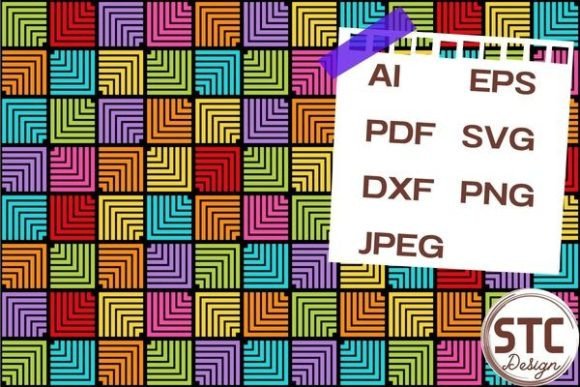
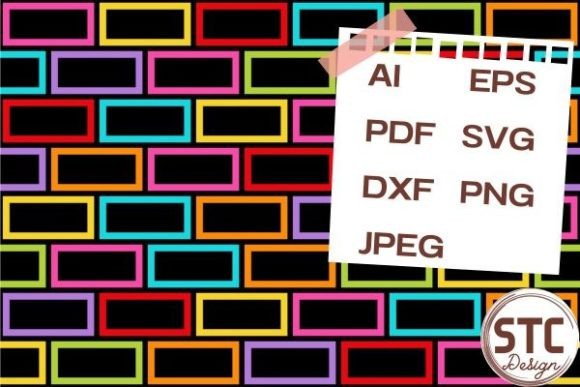
When I first opened the file, my initial impression was one of bright optimism. The color palette is undeniably cheerful, creating a mood that feels energetic and modern. Unlike some complex floral designs that require hours of stitching time, this pattern relies on clean lines and bold shapes. It has a visual personality that screams "contemporary craft." For an embroiderer looking to add a pop of color without overwhelming the fabric, Rainbow Color Rectangle Patterns offers a refreshing alternative to traditional motifs. It feels like something that belongs on a trendy tote bag or a well-curated nursery wall hanging rather than a formal evening gown.
Real-World Application: From Digital File to Finished Product
The true test of any embroidery design is how it translates from a screen to a physical object. I recently put Rainbow Color Rectangle Patterns through its paces with a specific project in mind: a custom embroidered tote bag for a local artisan market. The goal was to create a product that would stand out on a crowded table, something that felt handmade yet professionally finished.
The rectangular shapes are forgiving on canvas, which is perfect for a tote bag. Because the design is composed of blocks rather than intricate curves, it held up beautifully against the texture of the heavy cotton fabric. I used a mix of satin stitch for the outlines and fill stitch for the colored rectangles. The result was crisp, with no thread bunching or skipped stitches. When I handed the bag to a potential customer during a mock sale, they immediately reached for it. The rainbow colors caught the light, and the geometric layout made it look intentional and stylish, not just random.
This same logic applies to other products. Imagine applying this design to a sweatshirt. The rectangles provide a structured backdrop that balances out the softness of the fleece. For baby clothes, the gentle curves of the digital pattern translate into a soft, tactile feel once stitched. It works equally well as a decorative accent on a kitchen towel or as the main feature on a pillow cover. The versatility of Rainbow Color Rectangle Patterns makes it a valuable asset for Etsy sellers and small shop owners who need to produce consistent, high-quality items quickly.
Where to Use (and Where to Think Twice)
While this design is robust, every experienced designer knows that context is everything. There are specific scenarios where Rainbow Color Rectangle Patterns might struggle if you aren't careful. First, consider the hoop size. If you are working with a small hoop, such as those used for caps or small patches, the complexity of multiple rectangle blocks might get lost. The individual shapes could merge together, losing their distinct identity. In these cases, scaling the design down too much can ruin the impact.
Texture is another critical factor. Embroidery on thin, stretchy fabrics requires extra caution. While the geometric nature of the pattern is generally stable, the tension of the threads needs to be perfectly calibrated to prevent puckering on lightweight materials. Similarly, dark fabrics can sometimes mute the vibrancy of the rainbow colors unless you use a high-density underlay or a contrasting background layer. If you are planning to use this for a commercial embroidery project on a dark apron, you will need to test your thread colors carefully to ensure the design pops.
Curved surfaces like baseball caps present a unique challenge. The straight lines of the rectangles might distort slightly depending on the curvature of the cap. It is best to avoid placing this design right on the seam or the very front curve of a hat. Instead, save it for flatter areas like the back panel or a flat-brimmed style. Also, keep in mind that designs with dense stitch areas, like solid fill rectangles, may not breathe well on garments that require frequent washing. Always check the stability of the stitches before mass-producing items for a boutique.
Visual Appeal and Customer Trust
In the world of handmade goods, presentation is key. A well-executed design builds trust. When customers see a clean, professional-looking embroidered patch or a neatly stitched tote bag design, they assume the rest of the product is of equal quality. Rainbow Color Rectangle Patterns contributes to this perception because of its orderly structure. It looks deliberate and thought-out, which elevates the perceived value of the finished product.
For digital product sellers, this design is also a winner. Creating printable mockups for listings becomes easier when the design elements are distinct and colorful. You can easily visualize how the pattern will look on different backgrounds, from notebook covers to wallpaper. This flexibility helps in creating engaging listings that draw buyers in. The design's ability to work across various mediums—from fabric to digital assets—makes it a versatile tool for creative entrepreneurs.
Practical Designer Notes for Success
If you are ready to integrate Rainbow Color Rectangle Patterns into your workflow, here are some essential steps to ensure success. First and foremost, always test the design on scrap fabric before committing to your final project. This simple step allows you to adjust thread colors, check stitch density, and confirm that the hoop size works for your intended surface.
Pay close attention to the contrast between your thread colors and the fabric. The rainbow theme relies on visibility, so a poor contrast choice can make the design look muddy. Review the stitch density settings in your software; too much density can cause the fabric to wrinkle, while too little can leave gaps. Using the proper stabilizer is non-negotiable. For a design with fill stitches, a cut-away stabilizer often provides the best support for maintaining the shape of the rectangles over time.
Don't forget to inspect small details. Even though this is a geometric pattern, tiny corners or intersections might behave differently depending on the machine. Test it in black and white mockups to see if the composition holds up without the distraction of color. Compare how it looks on both light and dark backgrounds to ensure versatility. Finally, verify the licensing terms. If you plan to sell finished items or use the design as part of a larger commercial project, make sure you have the right permissions. Check the documentation regarding whether the file is suitable for both personal and commercial use.
By following these guidelines, you can transform a simple digital graphic into a stunning handmade product. Whether you are creating a personalized gift for a friend or building a line of small shop products, Rainbow Color Rectangle Patterns offers a solid foundation for creativity. It is a design that respects the craft of embroidery while offering endless possibilities for innovation.
Ultimately, the decision to use this design comes down to your specific needs and the quality of your execution. With the right preparation and a keen eye for detail, Rainbow Color Rectangle Patterns can become a staple in your collection of design assets, helping you create projects that are not only beautiful but also built to last.