Space Elements and Patterns: A Graphics and Crafts Review for Sellers
When I first opened the Space Elements and Patterns bundle, I wasn't just looking at a collection of clipart; I was evaluating a potential revenue stream. As someone who has spent years curating digital assets for my own online shop, I know that the difference between a product that sits in a folder and one that sells lies in its versatility and commercial viability. This graphic design asset immediately caught my eye because it promises a specific aesthetic that is currently trending across multiple marketplaces.
The visual personality of this collection feels modern yet whimsical. It strikes a balance between educational and decorative, making it perfect for the "space theme" niche which is perennially popular with parents, teachers, and science enthusiasts. The hand-drawn quality adds a touch of warmth that flat vector art often lacks, giving it a distinct handmade business feel even though it is a digital download. Before I committed to using these files for my upcoming seasonal launch, I ran through a rigorous checklist to ensure they would perform well as Etsy products, print-on-demand items, and Cricut projects.
From Digital Asset to Sellable Collection
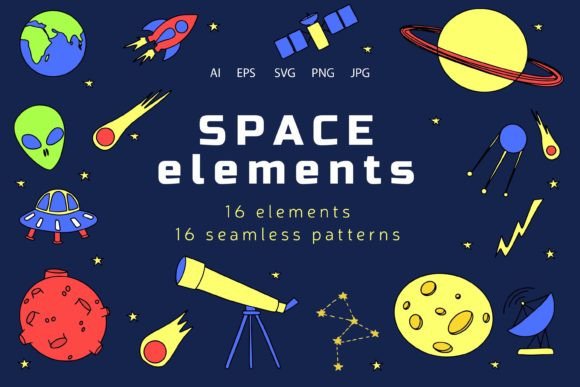
The core value of any design bundle for a creator like me is how easily it integrates into existing workflows. The description notes that the Space bundle includes 16 hands drawing unique elements suitable for various creative projects. In my experience, this number is a sweet spot—it offers enough variety to create diverse listings without overwhelming the buyer or cluttering my own file organization system. These assets are ideal for creating cohesive product mockups where consistency is key.
I immediately began brainstorming how to apply these designs to high-demand categories. For instance, these SVG design files are ready to be used for t-shirt graphics, mug designs, and tote bag prints. However, the true potential lies in their adaptability. I envision using them for printable wall art aimed at nurseries, where the space theme resonates strongly with young children. Furthermore, these elements can be repurposed for planner stickers, greeting cards, and invitation templates, allowing me to test the same asset across different price points and customer segments.
If I were building a Canva template for social media managers, these illustrations could serve as engaging headers or decorative accents. Similarly, for bloggers and content creators, these images would make excellent featured graphics or promotional visuals. The ability to use these digital product assets across such a wide range of mediums—from physical merchandise to social media graphics—is what makes a commercial design purchase worthwhile.
Strategic Product Presentation and Mockups
Selling digital goods on a creative marketplace relies heavily on visual hierarchy and thumbnail appeal. When customers scroll through search results, they need to see exactly how the Space Elements and Patterns will look in context. I tested placing these elements on dark backgrounds to simulate a night sky effect, which highlighted the white lines beautifully. Conversely, I also checked how they performed on light backgrounds for use in planners or stationery.
To maximize click-through potential, I plan to create a series of listing images that showcase the asset in action. A static image of the PNG is rarely enough; instead, I will use these elements to construct lifestyle mockups. Imagine a tumbler wrap featuring a rocket ship element alongside a pattern background, or a framed print showing how the elements arrange themselves in a gallery wall layout. This approach builds customer trust and demonstrates the perceived value of the digital download.
For brand identity, these assets can help establish a cohesive look for a small business selling themed bundles. By pairing the space illustrations with specific font styles, such as a clean sans serif for titles and a handwritten script for body text, I can create a professional brand identity that stands out from generic competitors. This attention to detail elevates the product from a simple clipart pack to a premium design asset suite.
Navigating Technical Limitations and Risks
While the potential is high, every experienced seller knows that not every asset fits every project perfectly. There are specific scenarios where Space Elements and Patterns requires careful handling. For example, if I were designing tiny sticker details for a sheet of die-cut vinyl, the intricate hand-drawn lines might become too complex to cut cleanly on a standard machine. In those cases, I would need to simplify the design or choose a different asset with bolder lines.
Another critical consideration is resolution. While these files are likely high-quality, I always verify the pixel dimensions before using them for large format sublimation designs or posters. If the resolution is insufficient, the final print will appear pixelated, leading to negative reviews. Additionally, when using these as sublimation design elements, I must ensure there is strong contrast against the background color of the merchandise. On dark-colored mugs or shirts, lighter elements might get lost unless carefully adjusted.
Text-heavy templates also pose a challenge. If I am creating an invitation where the text competes directly with the space patterns, the visual noise could reduce readability. In such instances, I would place the patterns behind the text in a subtle way or use them only as borders to maintain clear visual hierarchy. Finally, for Cricut projects involving intricate cut lines, I always inspect the SVG paths to ensure there are no stray nodes or overlapping shapes that could cause cutting errors.
Practical Seller Notes for Launch Day
Before publishing any listing featuring these assets, there are several practical steps I take to ensure quality. First, I test the design on real mockups to see how it translates from screen to physical product. I check how the PNG design looks with transparent backgrounds versus solid colors. I also verify the SVG cut quality by running a test cut on scrap material to confirm the lines are precise.
File organization is another non-negotiable step. I group the 16 unique elements logically, perhaps separating the standalone icons from the pattern backgrounds, so my customers can find what they need quickly. Clear file structures reduce support tickets and improve the overall user experience. I also ensure that the licensing terms allow for commercial use, confirming that I have the right to sell finished products created with these design assets.
Pairing the graphics correctly is essential for a polished look. I experiment with different font combinations, testing serif fonts for a classic feel, sans serifs for a modern vibe, and display fonts for bold statements. This flexibility allows me to tailor the final product to specific niches, whether it is a scientific poster for a classroom or a cute badge for a scout troop. By thoroughly vetting the Space Elements and Patterns bundle through these lenses, I can confidently integrate it into my catalog, knowing it meets the standards of both my business and my customers.